
25-Year-Old FeMale Presenting: Evaluation of Loose Stools in an Outpatient Clinic With Laboratory Capabilities: Comprehensive iHuman Case Analysis
Introduction
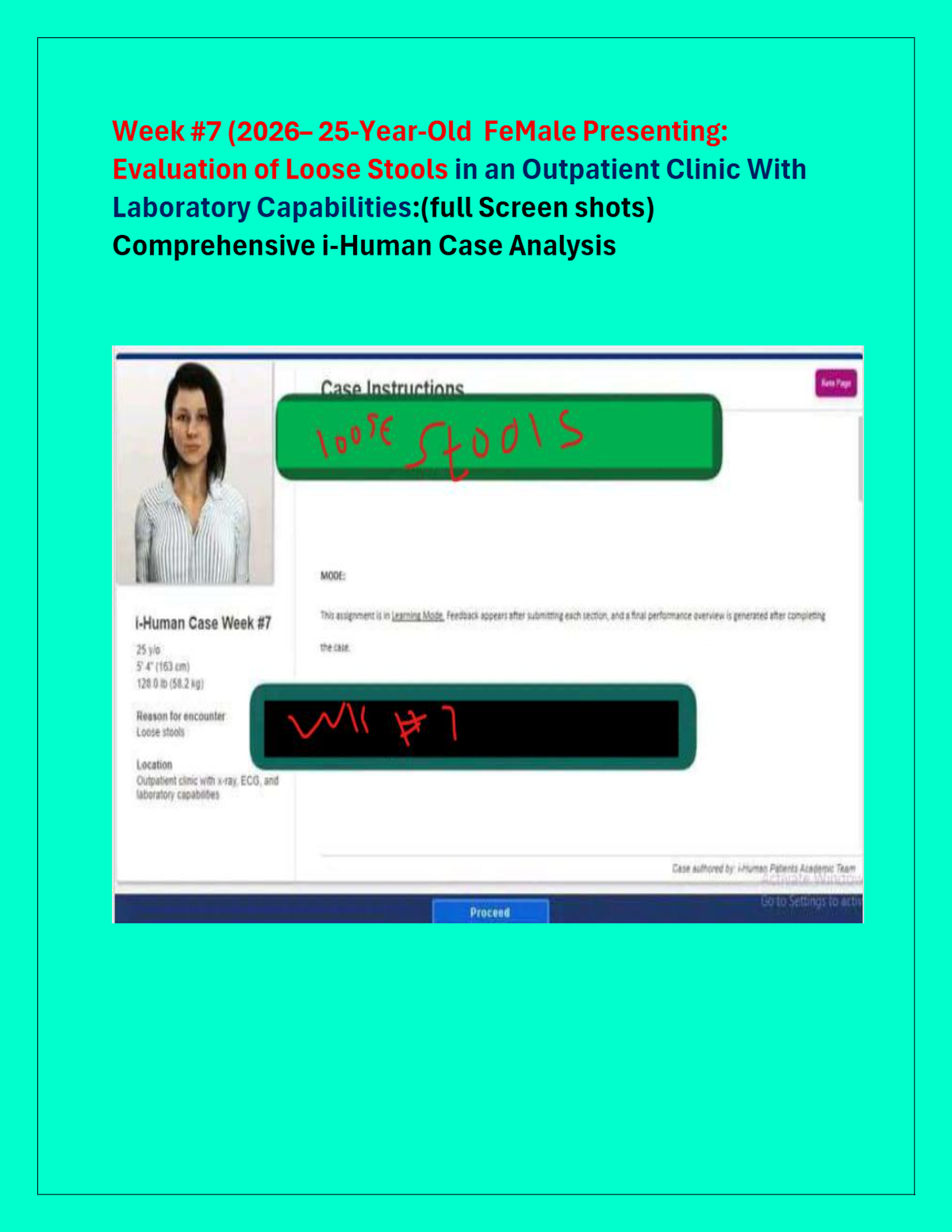
The patient is a 25-year-old female who presents to an outpatient clinic with a complaint of loose stools. The visit is focused on identifying the cause of her gastrointestinal symptoms, assessing for dehydration or infection, and developing an appropriate treatment plan.
History of Present Illness (HPI)
The patient reports experiencing loose stools for the past several days. She describes the stools as watery and occurring multiple times per day. She denies the presence of blood or mucus in the stool. She reports mild, intermittent abdominal cramping associated with bowel movements. She denies fever, chills, nausea, or vomiting. She has not recently traveled internationally and denies known exposure to contaminated food or water. She
reports no similar symptoms in household contacts. Symptoms have slightly improved with oral fluid intake but persist.
Past Medical History
• No chronic medical conditions reported
• No history of gastrointestinal disease
• No prior hospitalizations
Surgical History
• Denies prior surgeries
Medications
• Denies daily prescription medications
• Occasional over-the-counter analgesics
Allergies
• No known drug allergies (NKDA)
Family History
• Noncontributory; denies family history of
inflammatory bowel disease or colorectal cancer
Social History
• Denies tobacco or illicit drug use
• Occasional alcohol use
• Lives independently
• No recent dietary changes reported
Review of Systems (ROS)
General: Denies fever, chills, weight loss GI: Positive for loose stools and mild abdominal cramping; denies nausea, vomiting, hematochezia, melena GU: Denies dysuria or urinary frequency Cardiac: Denies chest pain or palpitations Respiratory: Denies shortness of breath or cough Neuro: Denies dizziness or syncope Skin: Denies rash or skin changes
Physical Examination (PE)
General: Alert, oriented, in no acute distress Vital Signs: Stable; afebrile HEENT: Mucous membranes moist Cardiovascular: Regular rate and rhythm; no murmurs Respiratory: Lungs clear to auscultation bilaterally Abdomen: Soft, non-distended, mild diffuse tenderness; no guarding or rebound; bowel sounds present
Skin: Warm, dry; good turgor Neurologic: Alert and oriented ×3
Assessment & Plan (A/P)
Assessment
1. Acute diarrhea, likely viral gastroenteritis
2. Mild dehydration risk, currently stable
Plan
• Encourage oral rehydration with electrolyte solutions
• Recommend BRAT-style diet (bananas, rice,
applesauce, toast) temporarily
• Avoid dairy, caffeine, and high-fat foods
• Consider loperamide if no fever or bloody stools
• Educate on warning signs: fever, worsening abdominal
pain, blood in stool, signs of dehydration
• Follow up if symptoms persist beyond several days or
worsen
Here is a clean, school-ready section with Diagnosis, Treatment, and ICD-10 codes, matched to the case you’re working on.