
Role of Micro Small and Medium Enterprises in Achieving SDGs Perspectives from Emerging Economies 1st Edition By Himachalam Dasaraju, Tulus Tambunan
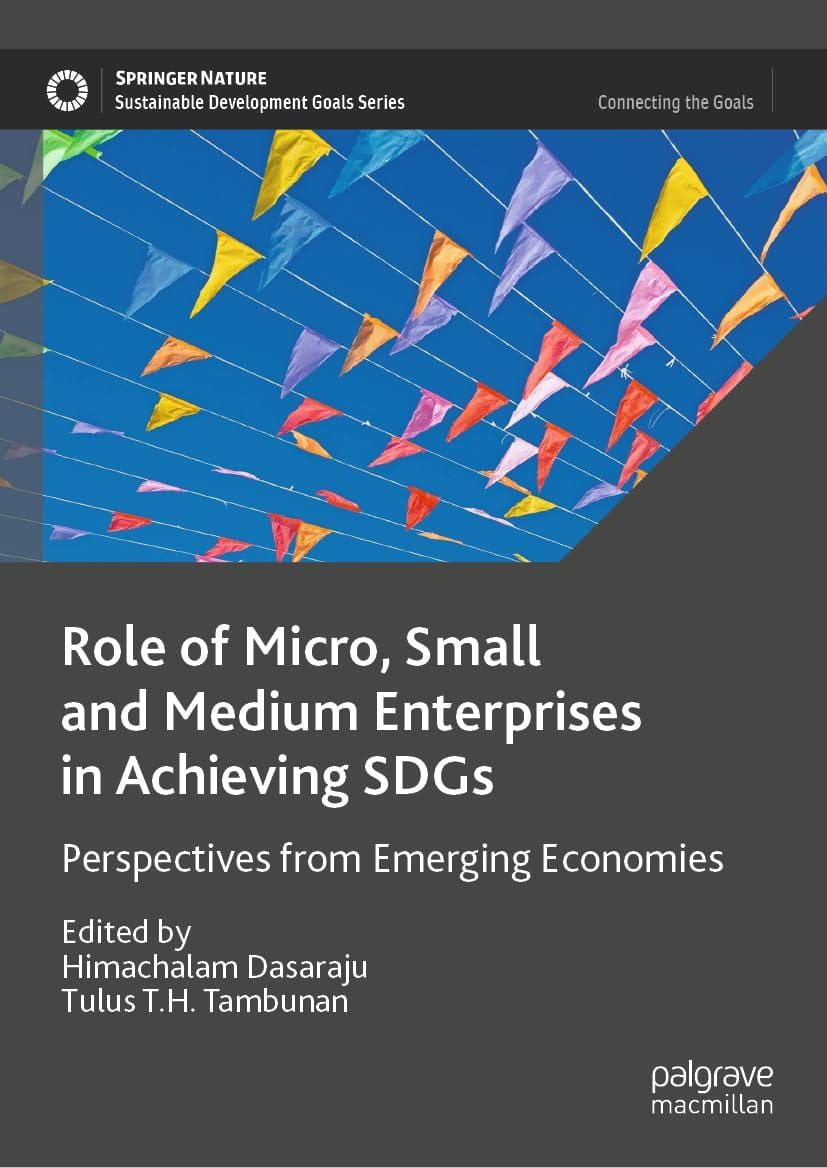
Role of Micro, Small and Medium Enterprises in Achieving SDGs: Perspectives from Emerging Economies (1st Edition, 2024), edited by Himachalam Dasaraju and Tulus Tambunan, provides empirical evidence on how MSMEs drive the United Nations' 2030 Agenda in developing nations.
Key Contributions to SDGs: The book details how MSMEs contribute directly or indirectly to several specific Sustainable Development Goals (SDGs):
- Poverty and Hunger (Goals 1 & 2): MSMEs reduce poverty by creating jobs for vulnerable groups, including women and youth, thereby improving food security.
- Social Well-being (Goals 3, 4, & 5): The sector promotes health and well-being, provides quality education through vocational training, and advances gender equality by empowering female entrepreneurs.
- Infrastructure and Equality (Goals 6, 10, & 11): Chapters explore MSME involvement in clean water and sanitation, reducing income inequality, and building sustainable cities.
- Economic Growth (Goal 8): As "growth engines," MSMEs foster inclusive economic growth and decent work, particularly in rural and disadvantaged regions.
Regional Case Studies
The volume consists of chapters featuring research from several emerging economies:
- India: Examines MSMEs as a driving force for self-reliance and gender equality.
- Indonesia: Analyzes secondary data to link MSME growth with poverty alleviation.
- ASEAN Region: Investigates the impact of SME growth on poverty in Myanmar, the Philippines, Thailand, and Vietnam.
- Africa: Discusses MSME performance and financing in Nigeria, Uganda, Botswana, and broader African contexts.
- South Asia: Includes specific evidence from Bangladesh, Sri Lanka, and Nepal, including the impact of COVID-19 on Nepalese education consultancies.
Thematic Focus Areas
- Entrepreneurship and Innovation: Highlights MSMEs as primary sources of innovation and job creation.
- Corporate Social Responsibility (CSR): Discusses how small businesses use CSR to align with national SDG targets.
- Management and Ecosystems: Explores the need for stronger managerial capabilities and well-designed local ecosystems to ensure MSME survival.
- COVID-19 Impact: Addresses how the pandemic disrupted MSME operations and the dire need for resilience-building and digital adaptation to meet 2030 targets.