
Schools of Fiction: Literature and the Making of the American Educational System by Morgan Day Frank
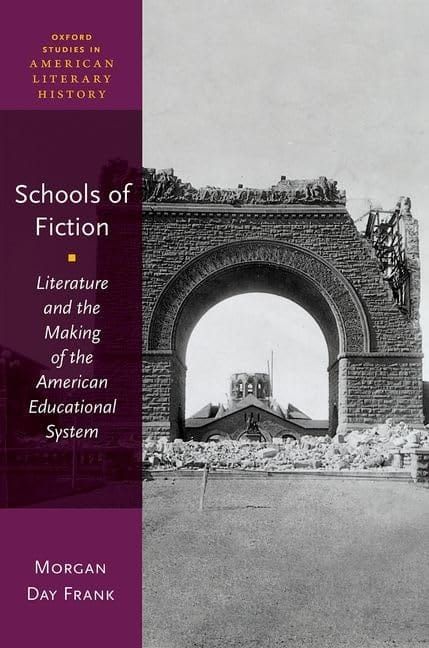
Schools of Fiction: Literature and the Making of the American Educational System by Morgan Day Frank (published by Oxford University Press in 2022) argues that American literature, particularly its anti-scholastic traditions like the romance, paradoxically became foundational to U.S. education by linking schools to public life, even as it criticized formal learning, shaping curriculum and institutional identity through texts that seemed outside the system they influenced. The book, part of the Oxford Studies in American Literary History series, explores how teaching novels and diverse texts, including African American literature, helped schools define their purpose and relevance beyond mere instruction, impacting debates on canon formation and the very definition of schooling.
Key Themes & Arguments:
- Literature's Anti-Institutional Role: Frank shows how teaching texts that questioned authority (like the American romance or novels) allowed schools to claim access to the outside world, making education seem less rigid and more connected to society.
- Paradoxical Influence: The book highlights the paradox that literature, often seen as marginalized by education, was crucial in developing formal schooling, especially in shaping its goals and curriculum.
- Canon & Identity: Frank examines how the inclusion of diverse texts, like African American literature, challenged and redefined what schools teach and what education should achieve, especially concerning race and political engagement.
- Contemporary Relevance: The work connects historical trends to modern crises in higher education, book bans, and debates over relevance, suggesting literature's ongoing role in validating schooling as a democratic institution.
About the Author:
- Morgan Day Frank is a lecturer in the History and Literature program at Harvard University, notes Amazon.com.
Key Takeaway:
- Schools of Fiction offers a scholarly look at how American literature has not just reflected but actively built the structure and purpose of the American educational system, even through texts that seem to oppose it.