
Slavery Surveillance and Genre in Antebellum United States Literature 1e By Kelly Ross
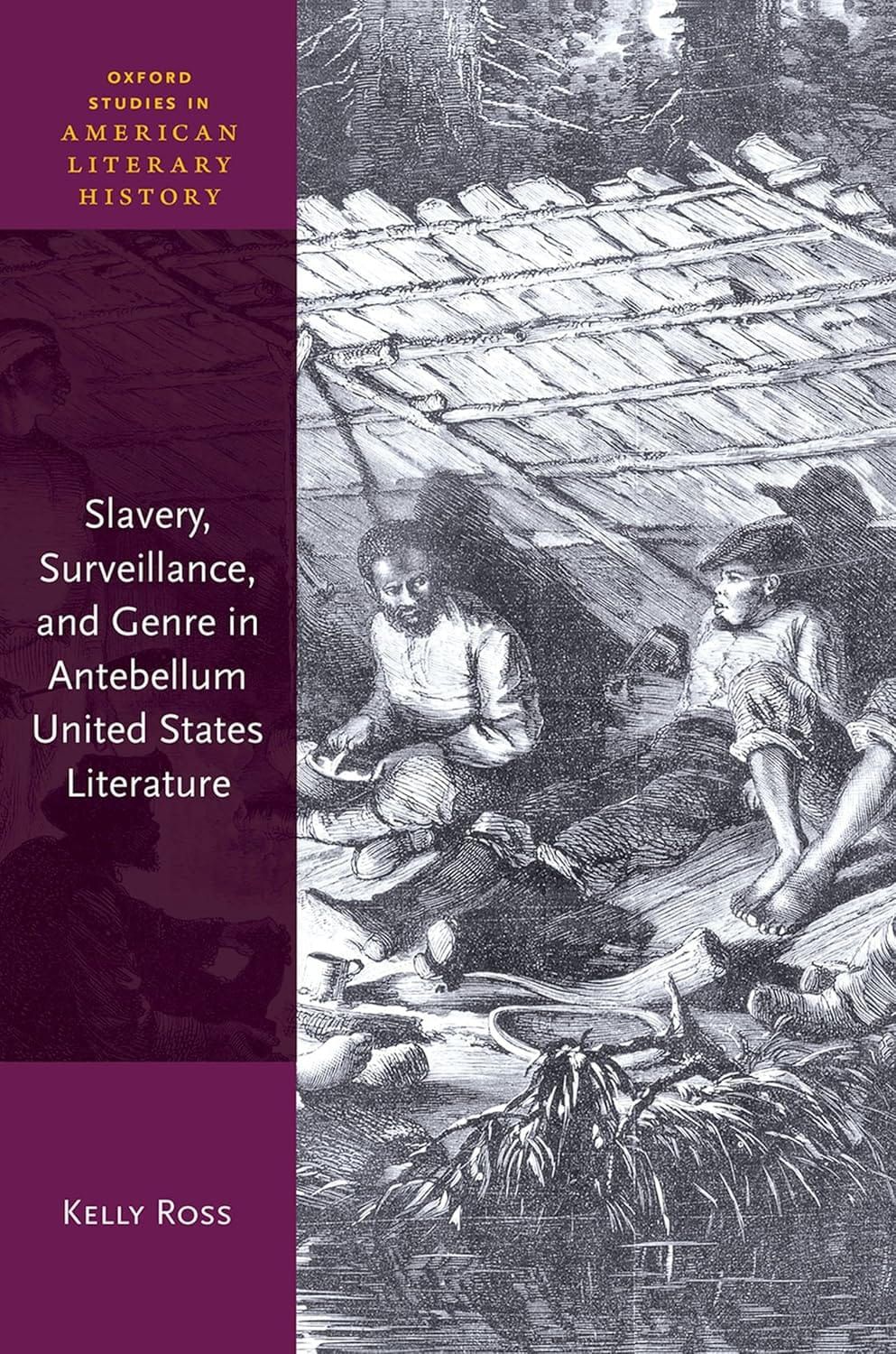
Slavery, Surveillance, and Genre in Antebellum United States Literature (2023) is a scholarly monograph by Kelly Ross that explores how the practices of watching and being watched shaped American literary history during the era of slavery.
Key Themes and Arguments
- Surveillance vs. Sousveillance: Ross distinguishes between traditional top-down surveillance (state-sanctioned policing by slave catchers and patrollers) and sousveillance, the subversive "watching from below" practiced by enslaved people to resist or escape.
- Genre Evolution: The book argues that slave narratives are unacknowledged precursors to detective, gothic, and crime fiction. It traces how techniques of detection migrated from the realities of the slave system into fictional genres.
- Reframing Authors: Ross provides innovative readings of major figures, including:
- Edgar Allan Poe: Analyzing The Narrative of Arthur Gordon Pym as a precursor to detective fiction through its use of surveillance.
- Frederick Douglass & Herman Melville: Examining how white epistemological authority unravels when observers become the target of an "oppositional Black gaze".
- Hannah Crafts & Harriet Jacobs: Linking their use of observation to early concepts of Afrofuturism by imagining an open future through "speculative" spying.
Publication Details
- Author: Kelly Ross, Associate Professor of English at Rider University.
- Publisher: Oxford University Press.
- Release Date: February 17, 2023 (Hardcover/Print); October 20, 2022 (eBook/Kindle).
- Series: Oxford Studies in American Literary History.
- ISBNs: 9780192856272 (Print), 9780192669018 (Digital).
- Length: Approximately 200 pages.